All Categories
Featured
Table of Contents
Obtain VA health care, learn how to gain access to services, and handle your health and benefits online. Sue for disability compensation for conditions connected to your military service, and handle your benefits over time. Apply for and manage your GI Bill and other education advantages to help pay for college and training programs.
Obtain regular monthly payments for wartime Veterans and survivors with limited or no earnings who meet particular age and special needs requirements. Discover out if you're eligible for a VA-backed home mortgage. If you have a service-connected impairment, see if you get approved for a real estate grant to help you live more separately.
Manage your policy online, file claims for benefits, and access valuable resources. Get aid preparing a burial in a VA nationwide cemetery, order a headstone or other memorial product to honor a Veteran's service, and use for survivor and dependent benefits. Get a printed Veteran ID card, get your VA benefit letters and medical records, and discover how to obtain a discharge upgrade.
Top VA Financial Questions for 2026Practical Military Benefit Optimization Steps for 2026
Find out about the benefits you may be eligible for as the spouse, dependent, survivor, or caretaker of a Veteran. Discover more about the VA departments that handle our advantage and healthcare programs.
Written by Legal Help Society Lawyer Frank Bencomo If Veterans Affairs contacts you stating that you have actually been overpaid benefits and thus owe them a big sum of debt, it's vital to understand your rights under the law. Title 38 of the Code of Federal Laws lays out how veterans can seek remedy for abrupt debt charges.
It can also stem from administrative errors or misunderstandings about eligibility requirements. Frequently, recipients unknowingly receive more benefits than they're entitled to due to delays or errors in reporting info. These overpayments cause financial obligations that the VA will try to collect on. The VA might withhold or lower future advantages to recuperate the owed quantity.
If the debt remains unpaid, the VA may refer the debt to the Treasury Department or a collection firm. This can result in increased pressure to repay the debt and may involve extra charges or charges. Debts can negatively affect your credit rating if they are reported to credit bureaus.
Enhancing Service Member Payment Stability in 2026
In extreme cases where efforts to collect the debt have been not successful, the VA may take legal action to recuperate the quantity owed. This could result in court proceedings and additional legal costs. Failure to attend to overpayment debt can endanger eligibility for future VA benefits or services. Handling the financial obligation is often essential to keep eligibility for numerous VA programs.
Looking for support to deal with the issue can help mitigate the impact on your advantages and financial circumstance. If you think the overpayment is inaccurate or if there are extenuating situations, you can appeal the decision or request a reconsideration.

If the overpayment stands, you can work with the VA to establish a repayment strategy. This can include paying the financial obligation in complete or establishing a payment schedule based upon your monetary situation. In certain scenarios where repayment would cause monetary difficulty, you can request a waiver of the debt.
Managing VA Obligations With Modern 2026 Steps
Consider reaching out to a Veterans Service Company (VSO) or legal aid for guidance and support in browsing the procedure. They can provide important recommendations and support in handling overpayment issuesRespond to the notification within the specified timeframe and maintain open communication with the VA. Disregarding the notification or delaying action could result in additional issues.
Asking for a waiver of VA overpayment financial obligation includes demonstrating particular factors that add to monetary hardship or would make payment unjust. Here are some elements that could support your demand for a waiver:: Show that repaying the financial obligation would cause significant monetary hardship. This could consist of proof of low earnings, high necessary expenses, or unanticipated monetary burdens.: Supply paperwork suggesting that you lack the methods to pay back the debt.
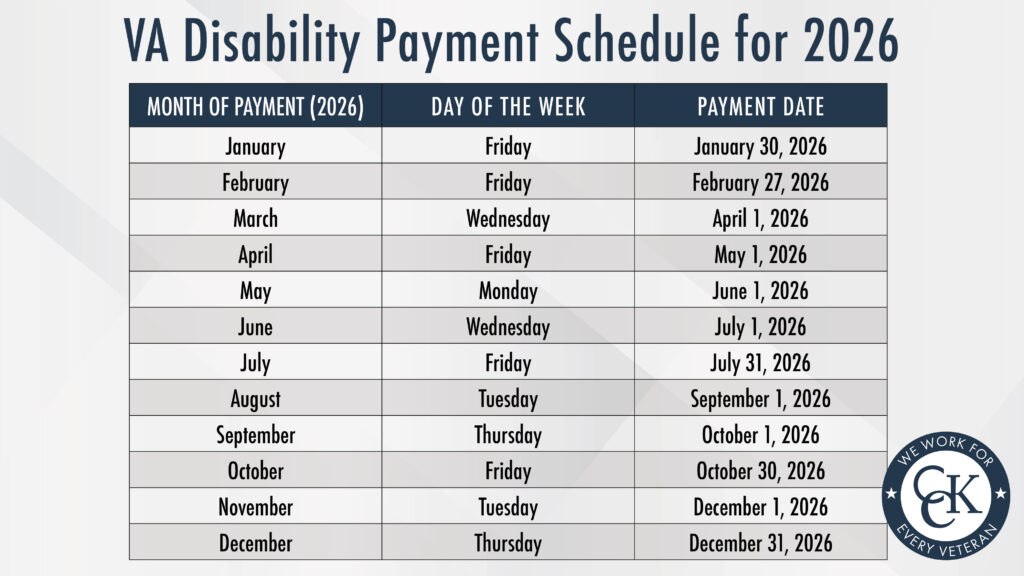
If fault for an overpayment can not plainly be credited the beneficiary, VA's policy is to presume that fault and not create a debt against the beneficiary. The VA has a liberal policy that, whenever the proof of record is equally susceptible of being translated as revealing an absence of understanding by the recipient and as showing that she or he understood however stopped working to divulge material facts to VA, the doubt will be dealt with in the beneficiary's favor.

Latest Posts
Proactive Military Retirement Growth 2026
Navigating New Military Assistance in 2026
Why Personnel Seek Professional Financial Services in 2026